Table of Contents 13 sections
Spend a single day with Arabic speakers, and you will hear three words again and again: inshallah, mashallah, and alhamdulillah. They appear in shops, on the phone, at the dinner table, and in text messages. In this guide we explain the inshallah meaning and the meaning of fourteen other everyday Arabic phrases, show you when people use them, and give you the polite replies so you can understand what you hear and answer naturally.
Each phrase is written in Arabic script with full vowel marks, with an easy pronunciation and a short audio clip. The clips are computer-generated: they help you hear the rhythm, and a native speaker or teacher can then fine-tune your pronunciation.
Why these phrases are everywhere
Most of these expressions mention God, اللَّه (Allāh), the Arabic word for God. They come from the Islamic tradition, but over the centuries they have become part of the everyday language of the whole Arab world. Arab Christians use many of them too, and you will hear them from people who are very religious and from people who are not.
For a learner, these phrases do two jobs. First, they help you understand real conversations, because people use them constantly, often in the middle of a sentence. Second, using them correctly shows respect and warmth. A well-placed mashallah when someone shows you a photo of their new baby says more than a long compliment.
The key is to use each phrase in the right situation. That is what the rest of this guide is about.
Inshallah means “if God wills”
إِنْ شَاءَ اللَّهُ (in shāʾa llāh) literally means “if God wills.” People say it whenever they talk about the future: “See you tomorrow, inshallah,” “I’ll pass my exam, inshallah,” “The bus should arrive at six, inshallah.” It expresses the idea that the future is not completely in our hands.
In everyday speech it can also be a soft way of saying “maybe” or “we’ll see. “If you ask a friend to come to a party and they answer only “inshallah,” they might come, or they might be politely avoiding a promise. The tone and the context tell you which one it is.
You can use it in exactly the same way: add it to any sentence about plans. There is no special reply; people often simply repeat “inshallah.”
| Arabic | Say it… | Meaning | Listen… |
|---|---|---|---|
| إِنْ شَاءَ اللَّهُ | in shāʾa llāh | if God wills (about the future) | |
| مَا شَاءَ اللَّهُ | mā shāʾa llāh | what God has willed (admiration) | |
| الْحَمْدُ لِلَّهِ | al-ḥamdu lillāh | Praise be to God (thanks, relief). | |
| سُبْحَانَ اللَّهِ | subḥāna llāh | Glory be to God (wonder, surprise). |
Mashallah, alhamdulillah and subhanallah
Mashallah: admiration without envy
مَا شَاءَ اللَّهُ (mā shāʾa llāh) means “what God has willed. “People say it when they admire something: a beautiful house, a good exam result, a healthy child, or a delicious meal. It is a compliment that also protects against envy, because it gives the credit to God rather than to luck. If someone tells you their daughter got into university, “mashallah!” is the perfect answer.
The usual reply to a mashallah is بَارَكَ اللَّهُ فِيكَ (bāraka llāhu fīk), “may God bless you,” which you will find in the thanks section below.
Alhamdulillah: gratitude in every situation
الْحَمْدُ لِلَّهِ (al-ḥamdu lillāh) means “praise be to God.” It is the most common answer to “How are you?” : “I’m fine, alhamdulillah.” People also say it after a meal, after recovering from an illness, when a problem is solved, or simply to show they are content with what they have. Even when things are hard, many people answer “alhamdulillah,” meaning “I am grateful anyway.”
Subhanallah: when something amazes you
سُبْحَانَ اللَّهِ (subḥāna llāh) means “glory be to God. “You hear it in moments of wonder: a stunning sunset, an incredible coincidence, a surprising piece of news. It is the Arabic equivalent of “wow,” with a sense of awe.
The three main phrases in real sentences
These phrases rarely appear alone. They usually sit at the end of an ordinary sentence, like a little signature. Here are four sentences you could use this week. Listen to how the phrase flows into the rest of the sentence, without a pause.
| Arabic | Say it… | Meaning | Listen… |
|---|---|---|---|
| أَرَاكَ غَدًا، إِنْ شَاءَ اللَّهُ | arāka ghadan, in shāʾa llāh | See you tomorrow, God willing (to a man). | |
| سَأُسَافِرُ إِلَى الْمَغْرِبِ، إِنْ شَاءَ اللَّهُ | sa-usāfiru ilā l-maghrib, in shāʾa llāh | I will travel to Morocco, God willing. | |
| بَيْتُكَ جَمِيلٌ، مَا شَاءَ اللَّهُ | baytuka jamīl, mā shāʾa llāh | Your house is beautiful, mashallah (to a man). | |
| أَنَا بِخَيْرٍ، الْحَمْدُ لِلَّهِ… | anā bi-khayr, al-ḥamdu lillāh | I am fine; praise be to God. |
Notice the order: in Arabic the phrase normally comes after the main idea, just as in English we might say, “See you tomorrow, hopefully.” ” Once you are comfortable with these four sentences, try making your own by changing the place, the day, or the compliment.
Phrases for beginnings and decisions
These phrases mark the start of something: a meal, a journey, a task, or an important decision.
| Arabic | Say it… | Meaning | Listen… |
|---|---|---|---|
| بِسْمِ اللَّهِ | bismi llāh | in the name of God (before eating or starting a task) | |
| تَوَكَّلْتُ عَلَى اللَّهِ | tawakkaltu ʿalā llāh | I put my trust in God (before a journey or decision). | |
| اللَّهُ أَكْبَرُ | allāhu akbar | God is greatest (prayer, joy, amazement). |
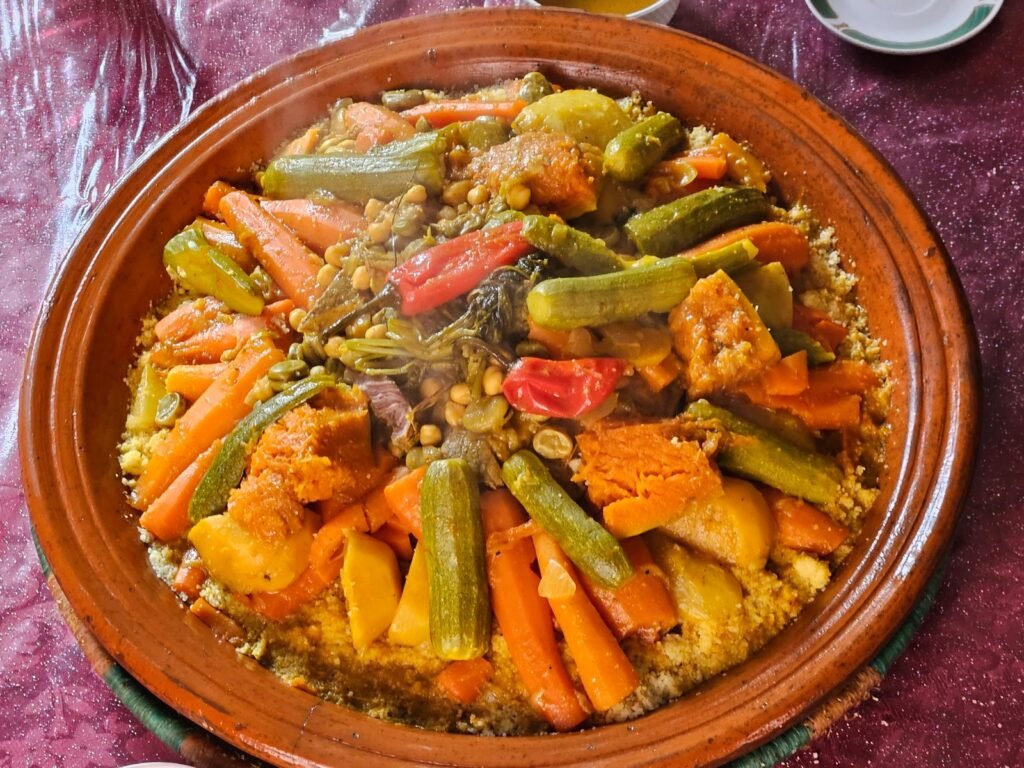
بِسْمِ اللَّهِ is said before eating, before getting into a car, before starting work, even before lifting something heavy. If you are invited to a family meal, you will hear it as everyone begins. تَوَكَّلْتُ عَلَى اللَّهِ is what someone says before leaving on a trip or taking a big step, such as a job interview. اللَّهُ أَكْبَرُ is part of the call to prayer, and people also say it in moments of joy, for example when their team scores.
Phrases of thanks and blessing
Thanking someone in Arabic often means wishing them something good. These are the blessings you will hear most; our guide on how to say thank you in Arabic covers the everyday words for thanks in more detail.
| Arabic | Say it… | Meaning | Listen… |
|---|---|---|---|
| جَزَاكَ اللَّهُ خَيْرًا | Jazāka llāhu khayran. | May God reward you with good (to a man). | |
| بَارَكَ اللَّهُ فِيكَ | bāraka llāhu fīk | May God bless you (to a man). | |
| يَرْحَمُكَ اللَّهُ | Yarḥamuka llāh. | May God have mercy on you (after a sneeze). | |
| يَهْدِيكُمُ اللَّهُ وَيُصْلِحُ بَالَكُمْ | yahdīkumu llāhu wa yuṣliḥu bālakum | May God guide you and set your affairs right (reply). |
The sneeze ritual is a nice example of how these phrases work in a chain. The person who sneezes says الْحَمْدُ لِلَّهِ. Someone nearby answers يَرْحَمُكَ اللَّهُ, and the first person replies يَهْدِيكُمُ اللَّهُ وَيُصْلِحُ بَالَكُمْ. You do not need to master all three at once, but recognizing them will make you smile the first time you hear the whole exchange.
To a woman, the endings change: جَزَاكِ اللَّهُ خَيْرًا (jazāki llāhu khayran) and بَارَكَ اللَّهُ فِيكِ (bāraka llāhu fīki).
Phrases for difficult moments
Arabic also has fixed phrases for bad news, mistakes, and grief. Knowing them helps you understand a serious conversation and respond with sensitivity.
| Arabic | Say it… | Meaning | Listen… |
|---|---|---|---|
| أَسْتَغْفِرُ اللَّهَ | astaghfiru llāh | I ask God for forgiveness (after a mistake or to reject something wrong). | |
| لَا حَوْلَ وَلَا قُوَّةَ إِلَّا بِاللَّهِ | lā ḥawla wa lā quwwata illā billāh | There is no power or strength except through God (facing difficulty)… | |
| إِنَّا لِلَّهِ وَإِنَّا إِلَيْهِ رَاجِعُونَ | innā lillāhi wa innā ilayhi rājiʿūn | We belong to God, and to Him we return (on hearing of a death)… | |
| اللَّهُ يَرْحَمُهُ | Allāh yarḥamuh… | May God have mercy on him (about someone who has died)… |
إِنَّا لِلَّهِ وَإِنَّا إِلَيْهِ رَاجِعُونَ comes from the Quran and is what people say when they learn that someone has died. When speaking about the deceased, people add اللَّهُ يَرْحَمُهُ (for a man) or اللَّهُ يَرْحَمُهَا (allāh yarḥamhā, for a woman). If you visit a family in mourning, these two phrases are a respectful way to share their loss. For more of the Quran’s language of compassion, see our article on Quran verses about kindness.
أَسْتَغْفِرُ اللَّهَ has two uses. Said quietly, It is a personal moment of asking forgiveness. Said with a shake of the head, it means “God forbid!” or “certainly not!” or, for example, when someone suggests something dishonest.
How Moroccans say them in Darija
In Morocco you will hear all the phrases above, often pronounced a little faster, and a few typically Moroccan expressions as well. If you are planning a trip, they pair well with our guide to Moroccan Darija greetings.
| Darija | Say it… | Meaning | Listen… |
|---|---|---|---|
| نشالله | nshallah | Inshallah, the Moroccan pronunciation | |
| تبارك الله | tbarkallah | admiration, the Moroccan way to say mashallah | |
| الله يرحم الوالدين | llah yr7em lwalidin | Thank you (literally: may God have mercy on your parents). | |
| الله يعاونك | llah y3awnek | May God help you (to someone working). | |
| الله يسهل | Allah Yashahel | May God make it easy (a polite “no, thank you”). |
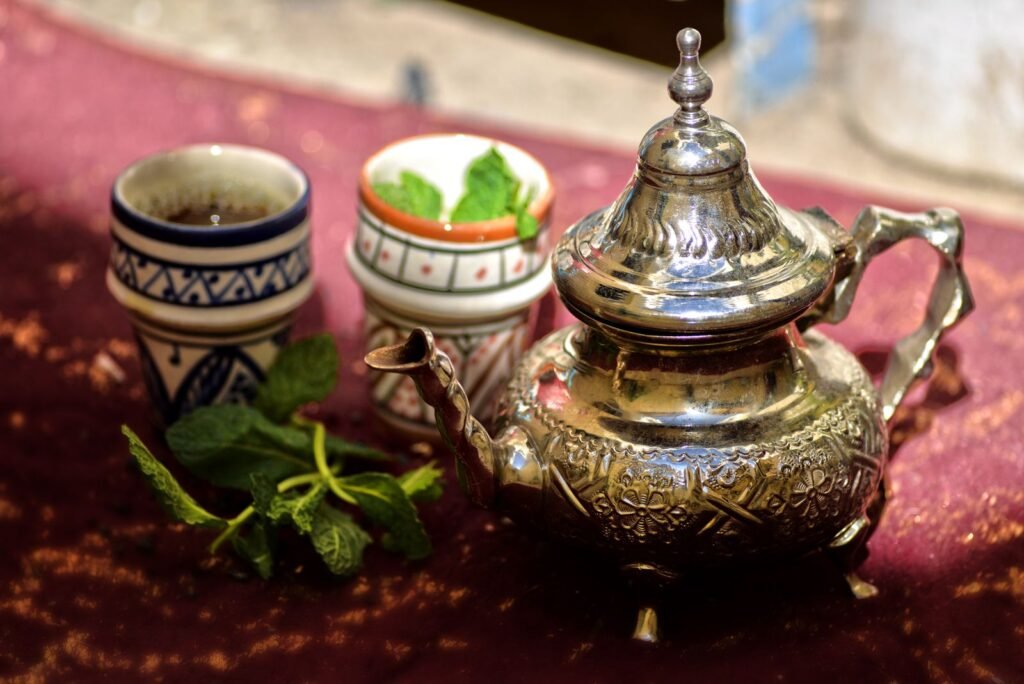
Two of these are especially useful for visitors. “الله يرحم الوالدين”” is one of the warmest ways to thank someone in Morocco, perfect for a taxi driver who helped with your bags or a neighbor who gave you directions. الله يسهل is the polite way to decline when a street seller or someone asking for money approaches you: it is kind, it is not rude, and everyone understands it.
How to use these phrases as a learner
You do not need to be Muslim or Arab to use these expressions. Many learners use them naturally, and people usually appreciate it. A few simple guidelines will help you sound respectful rather than awkward.
- Match the moment. Use mashallah for admiration, alhamdulillah for thanks and relief, and inshallah for plans. Mixing them up is the most common beginner mistake.
- Never use them as a joke. These phrases carry religious meaning for many people. Using them sarcastically, or in a mocking voice, can offend.
- Start by listening. Notice when your friends, teachers, or colleagues use them, then copy what they do. Every family and region has its own habits.
- Learn the replies. Being able to answer a mashallah with bāraka llāhu fīk, or a sneeze blessing with the right reply, makes a great impression.
- Watch your pronunciation. Sounds like ح in al-ḥamdu and ع in rājiʿūn do not exist in English. Listen to the audio several times and practise slowly.
During Ramadan you will hear even more of these phrases, alongside special greetings such as Ramadan Kareem; our article on Ramadan Mubarak vs Ramadan Kareem explains them. And if you want to build the everyday conversation around them, our guide to basic Arabic conversation is the next step.
Frequently asked questions
Why do Arabic speakers say inshallah so often?
Because it expresses a deep cultural idea: that nobody fully controls the future. Saying it about plans is as natural as saying “hopefully” in English, and many people do it without thinking.
Can non-Muslims say inshallah?
Yes. Inshallah is part of everyday Arabic and is used by Muslims, Arab Christians and learners from all backgrounds. Use it sincerely and in the right context, and people will appreciate it.
What is the difference between mashallah and inshallah?
Inshallah (“if God wills”) is about the future: plans and hopes. Mashallah (“what God has willed”) is about the present or the past: admiring something good that already exists.
How do you reply to mashallah?
A common reply is bāraka llāhu fīk (“may God bless you”), or simply “alhamdulillah”. In Morocco people often answer “llah ybarek fik”.
Is it “inshallah” or “in sha Allah”?
Both spellings are used in English for the same Arabic phrase, إِنْ شَاءَ اللَّهُ. The longer form follows the three Arabic words more closely; the short form follows the way it sounds in fast speech.
What does “alhamdulillah” mean when someone answers “how are you”?
It means “praise be to God”, in the sense of “I’m fine, thank God”. People often say it even when things are not perfect, to express gratitude for what they have.