Table of Contents 19 sections
How long does it take to learn Arabic? It is the first question almost every new student asks us, and the honest answer is: it depends on what you mean by “learn”. Reading the Arabic script takes weeks. Holding a simple conversation takes months. Reading a newspaper or following a film without subtitles takes years of steady work. In this guide we give you a realistic timeline for each of those goals, show you what a week of study can look like, and explain what makes some learners move much faster than others.
There is no magic number that fits everyone, but there is a clear path. Once you can see it, you can plan your study with confidence instead of guessing.
How long does it take to learn Arabic? The short answer
The best-known estimate comes from the Foreign Service Institute (FSI), the school that trains United States diplomats. The FSI places Arabic in its hardest group of languages for native English speakers and estimates about 88 weeks, or roughly 2,200 class hours, for a student to reach professional working proficiency. For comparison, it places languages such as Spanish and French in its easiest group.
Before that number scares you, look at what it describes: full-time study, every day, with the goal of working as a diplomat in Arabic, discussing politics, economics and culture at a professional level. Most of our learners have very different goals: talking with family, travelling in Morocco, reading the Quran, or getting a solid foundation for later study. Those goals are reachable much sooner.
A helpful way to think about it is in hours, not months. If you study for one hour a day, you complete about 365 hours in a year. At that pace you can expect to read fluently, handle everyday conversations and understand a lot of slow, clear speech within your first year, while professional-level Arabic is a project of several years.
It depends on which Arabic you want
Arabic is not one single variety, and your timeline depends on which one you need.
Modern Standard Arabic (MSA)
Modern Standard Arabic, الْفُصْحَى (al-fuṣḥā), is the Arabic of books, news, signs, official documents and formal speeches. It is the same across the Arab world, which makes it the best foundation if you want to read. Most courses, including our level test, start here.
A spoken dialect, such as Moroccan Darija
In daily life people speak a dialect: Egyptian, Levantine, Gulf, or Moroccan Darija, الدَّارِجَة (ddarija). Dialects drop many grammar endings and borrow words from other languages, so basic conversation can come faster than in MSA. If your goal is a trip to Morocco or talking with Moroccan relatives, starting with Darija makes sense. Our guide to Moroccan Darija greetings is a good first step.
Quranic Arabic
If your goal is to read and understand the Quran, you need the script, the vowel marks and a good knowledge of grammar and vocabulary from classical Arabic. Reading aloud correctly can come within months; understanding the meaning without a translation takes longer and grows with your grammar.
Many learners combine two of these: MSA for reading and a dialect for speaking. That is a great plan, but it is better to build one solid base first than to start everything at once.
A realistic timeline, stage by stage
Here is what the path usually looks like for an adult studying regularly, a few hours a week. We use the European CEFR levels (A1 to C1), which our free Arabic level test also uses.
Weeks 1 to 6: the script
The Arabic alphabet has 28 letters, most of them with four shapes depending on their position in the word. It looks like a mountain at first, but it is the fastest part of the journey. With short daily practice, most beginners can read simple vowelled words within a few weeks. Our step-by-step course to learn to read Arabic is built around a six-week schedule for exactly this stage.
Months 2 to 6: beginner (A1)
You learn greetings, numbers, introductions, questions and a few hundred everyday words. You can understand simple phrases spoken slowly and answer basic questions about yourself. This is the stage of the phrases in our guide to basic Arabic conversation.
Months 6 to 12: elementary (A2)
You start to use the past and present tenses, talk about your day, shop, ask for directions and read short texts. Grammar becomes more important here: the verb system is the backbone of Arabic, and understanding it early saves a lot of memorising later.
Year 2: intermediate (B1)
You can follow the main ideas of clear texts and conversations on familiar topics, tell a story and give your opinion simply. Many learners feel this is the moment Arabic becomes enjoyable, because they can finally use it for real.
Years 3 and beyond: upper intermediate and advanced (B2 to C1)
You read articles, follow news and films, and express yourself with precision. This is where the FSI estimate sits, and it is reached through regular reading, listening and conversation over several years.

What you can say after your first month
A month of regular study is enough to have your first real exchange. These are the phrases we teach first. The audio clips are computer-generated, so use them to check the sounds, then copy a teacher or a native speaker whenever you can.
| Arabic | Say it | Meaning | Listen |
|---|---|---|---|
| مَرْحَبًا | marḥaban | hello | |
| السَّلَامُ عَلَيْكُمْ | as-salāmu ʿalaykum | peace be upon you (the standard greeting) | |
| شُكْرًا | shukran | thank you | |
| مِنْ فَضْلِكَ | min faḍlik | please (to a man) | |
| نَعَمْ | naʿam | yes | |
| لَا | lā | no | |
| كَيْفَ حَالُكَ؟ | kayfa ḥāluk? | how are you? (to a man) | |
| أَنَا بِخَيْرٍ | anā bi-khayr | I am fine | |
| مَا اسْمُكَ؟ | mā smuk? | what is your name? (to a man) | |
| اِسْمِي … | ismī … | my name is … | |
| أَنَا أَتَعَلَّمُ الْعَرَبِيَّةَ | anā ataʿallamu l-ʿarabiyya | I am learning Arabic | |
| لَا أَفْهَمُ | lā afham | I do not understand |
Notice that some phrases change when you speak to a woman: كَيْفَ حَالُكِ؟ (kayfa ḥāluki?) instead of كَيْفَ حَالُكَ؟. Arabic marks gender in many places, and learning both forms from the start is much easier than fixing the habit later.
Sample weekly study plans
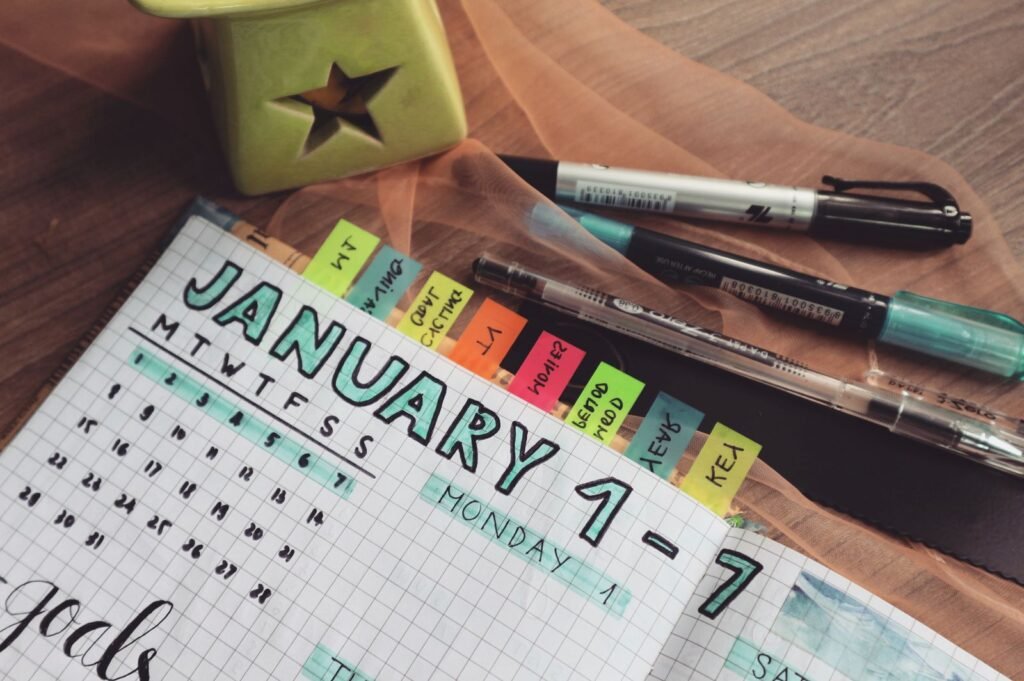
The fastest way to estimate your own timeline is to decide how many hours you can honestly give each week, then do the arithmetic. Here are three realistic plans.
| Plan | Hours per week | Hours in one year | What it looks like |
|---|---|---|---|
| Steady | 3 | about 150 | 30 minutes on most days: script and vocabulary first, then short dialogues. |
| Serious | 7 | about 350 | One hour a day: reading, listening, writing practice and one lesson or conversation each week. |
| Intensive | 15 | about 750 | Two hours a day plus extra practice: the pace of a determined student before a move or a long stay. |
Notice how much the plan matters: the “serious” learner studies more than twice as many hours a year as the “steady” learner, without giving up their whole life. Consistency beats intensity. Thirty minutes every day almost always works better than four hours once a week, because your memory needs regular contact with the language.
A simple week for the “serious” plan
- Monday and Thursday: new vocabulary with audio, written by hand.
- Tuesday and Friday: reading practice, aloud, with vowel marks.
- Wednesday: one lesson or conversation with a teacher or language partner.
- Saturday: grammar: one verb pattern or one structure.
- Sunday: review everything from the week, and rest.
Your first 12 weeks, two weeks at a time
- Weeks 1–2: the letters and their sounds, especially the ones English does not have, such as ع and ح.
- Weeks 3–4: short vowels, joining letters, and reading your first vowelled words aloud.
- Weeks 5–6: greetings, introductions and polite words, written and spoken.
- Weeks 7–8: numbers, question words and simple sentences such as “this is a big house”.
- Weeks 9–10: your first present-tense verbs, so you can talk about your daily routine.
- Weeks 11–12: review, a short conversation with a teacher or partner, and the level test to see where you stand.
Twelve weeks is long enough to feel real progress and short enough to stay motivated. At the end, choose your next goal and repeat the cycle with new topics.
What makes some learners faster
After teaching many beginners, we see the same habits again and again in the learners who progress quickly.
- They learn the script first. Relying on transliteration feels comfortable, but it slows you down later. A few weeks with the alphabet pays back for years.
- They study the roots. Most Arabic words grow from a root of three letters. ك ت ب (k-t-b) gives كِتَاب (kitāb, book), كَاتِب (kātib, writer) and مَكْتَب (maktab, office). Once you see the pattern, every new word is easier to remember.
- They understand the verb system early. Our guide to Arabic verb conjugation shows how a small set of patterns explains thousands of verbs.
- They speak from the first weeks. Even ten minutes of real conversation a week builds confidence that no app can give you.
- They listen every day. Short audio clips, songs, podcasts or children’s programmes train your ear for sounds that do not exist in English.
What slows learners down
- Switching between dialects. Picking up a little Egyptian, a little Levantine and a little Moroccan at the same time is confusing. Choose one dialect for speaking and stay with it.
- Staying with transliteration. Latin letters cannot show every Arabic sound, so your pronunciation and your reading both suffer.
- Never speaking. Many learners can read and understand a lot but freeze when they have to answer. Speaking is a separate skill and needs its own practice.
- Studying without a goal. “Learning Arabic” is too vague. “Ordering food in Marrakech in June” or “reading a short Quranic chapter with understanding by Ramadan” gives every study session a purpose.
- Long breaks. A month without practice can undo weeks of progress, especially for vocabulary. Short sessions during busy periods keep the language alive.
How to check your progress
Progress in Arabic can feel invisible, because the language is so different from English. Measuring it helps you stay motivated and choose the right next step.
- Every few months, take our free Arabic level test. It adapts to your answers and gives you an estimated level from A1 to C1, with a score for each skill.
- Keep a short recording of yourself reading the same text every month. Listening back after three months is the best motivation there is.
- Write a few sentences about your day in Arabic once a week, and ask a teacher to correct them.
If you want a plan built around your goal, our teachers offer one-to-one lessons online on Google Meet or Zoom. You can book them on WhatsApp, and we usually suggest starting with the level test so the first lesson can begin at the right place.
Frequently asked questions
Can I learn Arabic in 3 months?
In three months of regular study you can learn to read the script, master the most common phrases and hold a simple conversation about yourself. Fluency takes much longer, so set a clear, small goal for those three months.
Is Moroccan Darija faster to learn than Modern Standard Arabic?
For basic conversation, often yes: Darija has simpler grammar in daily speech and many familiar borrowed words. MSA is the better foundation for reading, writing and understanding other Arab countries.
How many hours a day should I study Arabic?
Thirty to sixty minutes a day is a realistic target for most adults. Regular short sessions work better than long, rare ones.
Should I learn to read before I learn to speak?
We recommend learning the script in the first weeks, while you also learn your first spoken phrases. Reading early makes everything else faster and improves your pronunciation.
Is Quranic Arabic the same as Modern Standard Arabic?
They are very close. Quranic Arabic is classical Arabic, and Modern Standard Arabic grew from it, so the script and most of the grammar are the same. MSA adds modern vocabulary and a simpler style, so learning one helps a lot with the other.
Can I learn Arabic on my own?
You can learn to read and build vocabulary on your own. For speaking and correcting pronunciation, regular practice with a teacher or native speaker makes a big difference.